Banana Ketchup Marinade, Baste, or Glaze?
 Add as Preferred Source
Follow Forbidden Sauce
 Mastodon / Fediverse
 Threads
Turn on fediverse sharing, then search for the handle listed on our Fediverse profile.
 NetNewsWire
Paste the RSS link into New Web Feed.
 Feedly
Paste the RSS link into Discover.
Paste it into search on your Mastodon server.
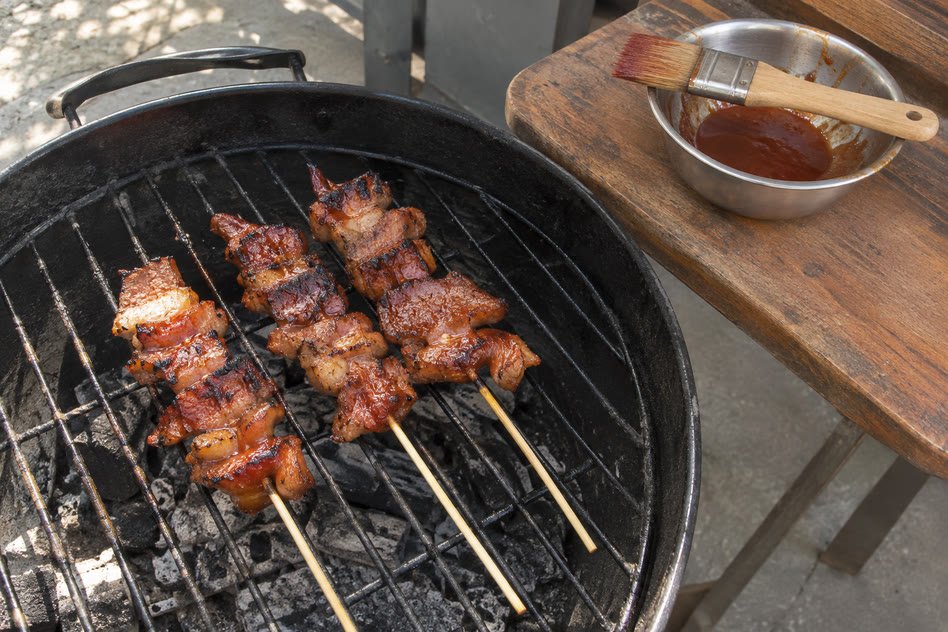
Pork skewers with banana ketchup glaze on a charcoal grill.
A thin coat of banana ketchup gives grilled pork or chicken a sweet, tangy finish. Learn when to marinate, when to glaze, and how to keep the sauce from burning.
Banana ketchup gives grilled pork and chicken a sweet, tangy coat that turns glossy over heat. It’s a quick way to give plain skewers some of the flavor you get with Filipino pork barbecue. The trick is to brush on a thin coat near the end, when the meat is close to done. If you want a sweet and salty taste before the meat goes on the grill, mix some into a marinade.
The bottle can do both jobs. The trick for your first batch is to pick one. A late coat is easy to try and gives you a good look at what the sauce does over heat. Here’s how to choose, when to reach for the brush, and what to do if the sauce starts to get too dark.
What does banana ketchup add to grilled food?
Think of a pork skewer with crisp edges and a thin coat that clings to the meat. A bit of sweet sauce plays well with the smoke and salt. Then you taste the tang, which helps keep each bite from tasting too sweet. That mix is why banana ketchup makes sense on the grill as well as next to fries or fried chicken.
You may see it sold as banana catsup or banana sauce. The style can change from bottle to bottle. NutriAsia’s UFC line includes a hot and spicy version, for example. Taste a dab before you start. If it has more heat than you want, try a mild bottle. If it tastes too sweet on its own, try a few drops of lime in a spoonful. For more on the taste and what’s in the bottle, read our guide to Filipino banana ketchup.
That sweet and tangy taste is the reason to use it. Now you can choose when to put it on. That choice changes how the sauce tastes and feels on the food.
Should you marinate, baste, or glaze?
A marinade is a mix the raw meat sits in before you cook it. A baste is a sauce you brush on while the food cooks. A glaze is the thin, glossy coat you want at the end. You can baste with a glaze. One word tells you what you’re doing with the brush, and the other tells you what kind of coat you’re trying to make.
- Marinate if you have time before dinner and want the meat to sit in a mix of sweet, salt, and sour.
- Baste near the end if you want to add a little sauce as you turn the skewers.
- Glaze if you want a thin coat you can see and taste on each bite. This is a good place to start with a new bottle.
- Serve it on the side if you have a very hot grill, or if some people want sweet sauce and others don’t.
There are good reasons to use the sauce at more than one stage. In its Filipino pork barbecue recipe, NutriAsia puts UFC Banana Catsup in a mix with soy sauce, garlic, and calamansi, a small citrus fruit. In a Filipino grilled pork belly recipe, Unilever Food Solutions uses banana ketchup in the glaze. Both show how the same bottle can do a different job. If you do both at home, set aside a clean portion before the raw meat goes in.
How to use banana ketchup in a marinade
Start a banana ketchup marinade with a small splash of soy sauce for salt and a squeeze of calamansi or lime for tang. Stir both into the ketchup. Garlic adds a sharper note. Try the mix in a spoon before you make a whole bowl. You can go from there once you know how sweet your brand is. Taste it before you add raw meat. If it tastes like sweet ketchup with a bit of salt, you may want more lime. If the soy takes over, try a little less in the next mix. A spoonful is enough to make that call.
Set aside any sauce for the grill or table in clean bowls. Put the meat in the marinade and keep it in the fridge. When it’s time to cook, lift the pieces out and let the extra sauce drip off. You want a light coat going onto the grate. A thick layer of sweet sauce can turn dark while the meat still needs time. Throw out the marinade that touched raw meat, as the FDA’s barbecue guide advises.
If you skipped the marinade or ran out of time, you can still get that sweet, tangy finish. Save it for the brush.
How to brush on a banana ketchup glaze without burning it
Save sweet sauces for the end so they’re less likely to burn. Clemson Extension gives the same advice for grill sauces. Set up a hot side and a cooler side if your grill allows it. The hot side gives the meat color. The cooler side gives you room to finish it away from the flame. Weber’s two-zone guide shows how this works. On charcoal, keep the coals to one side. On a gas grill with more than one burner, cook over a lit burner and use the space above an unlit one when you need less heat.
- Start with the meat. Cook the skewers first. Leave the glaze in its own bowl until the meat is close to done.
- Brush on a thin coat. You should still see the meat through it. If the sauce is running off the skewer, use less on the next pass.
- Watch what the sauce does. Give the coat time to turn glossy and cling. If you see it go dark fast or the grill flares up, move the food to the cooler side.
- Check the meat before you serve it. Sauce can look ready well before the center is done. Use a thermometer in the thickest part. FoodSafety.gov lists 165°F (74°C) for chicken and 145°F (63°C) with a three-minute rest for whole cuts of pork. Ground pork needs 160°F (71°C).
Keep table sauce and its spoon away from the grill brush. Once the brush touches meat on the grill, keep it with the basting bowl. The FDA’s barbecue guide also calls for clean tongs and plates for cooked food. If you want more sauce at the table, pass the clean bowl you set aside at the start.
What goes well with banana ketchup glaze?
Filipino pork BBQ skewers are a good first choice. A thin coat adds sweetness to the browned edges. Serve them with a sharp vinegar dip, as in the NutriAsia pork skewer example, if you’d like a bright bite between pieces.
Grilled chicken thighs can take a light coat too. Let the chicken get close to its safe temperature before you reach for the sauce. If the grill is too hot to slow down, finish the chicken and set out the ketchup as a dip. You still get the flavor and can add as much or as little as you like.
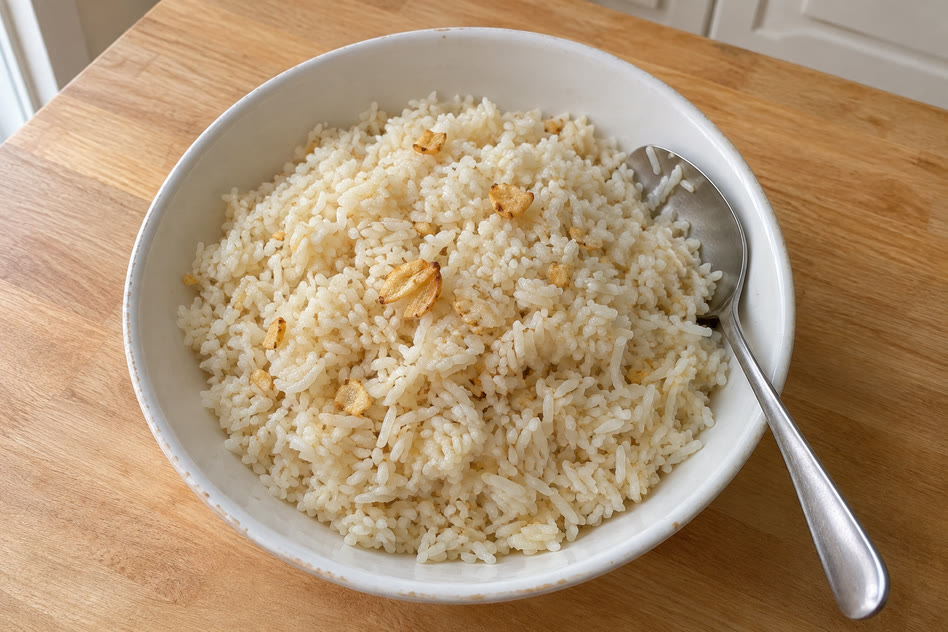
For a full plate, set the skewers next to Filipino garlic rice, or sinangag. The crisp bits of garlic give you a change from the sweet glaze. Sliced cucumber or a few pickles work on the side when you want a cool bite.
Next time you grill, leave one skewer plain and brush one with banana ketchup near the end. Check that both reach the right temperature. Take a bite of each with the same rice or side dish. If you like the sweet, tangy coat, you know when to reach for the bottle on the next batch.

Kevin Meehan
Chef, CEO & Co-founder, Forbidden Sauce
Kevin Meehan is a Michelin-trained chef and co-founder of Forbidden Sauce. He founded Charlotte food truck Hottagrill, where a Filipino BBQ sauce inspired by his wife’s family recipe became the starting point for the brand. He brings his culinary background and love of international flavors to recipes for home cooks.
LinkedInComments
No approved comments yet.
Leave a comment
Follow Forbidden Sauce
Add as Preferred SourceFeed readers and social
- Threads
Turn on fediverse sharing, then search for the handle listed on our Fediverse profile.
- NetNewsWire
Paste the RSS link into New Web Feed.
- Feedly
Paste the RSS link into Discover.
Paste it into search on your Mastodon server.