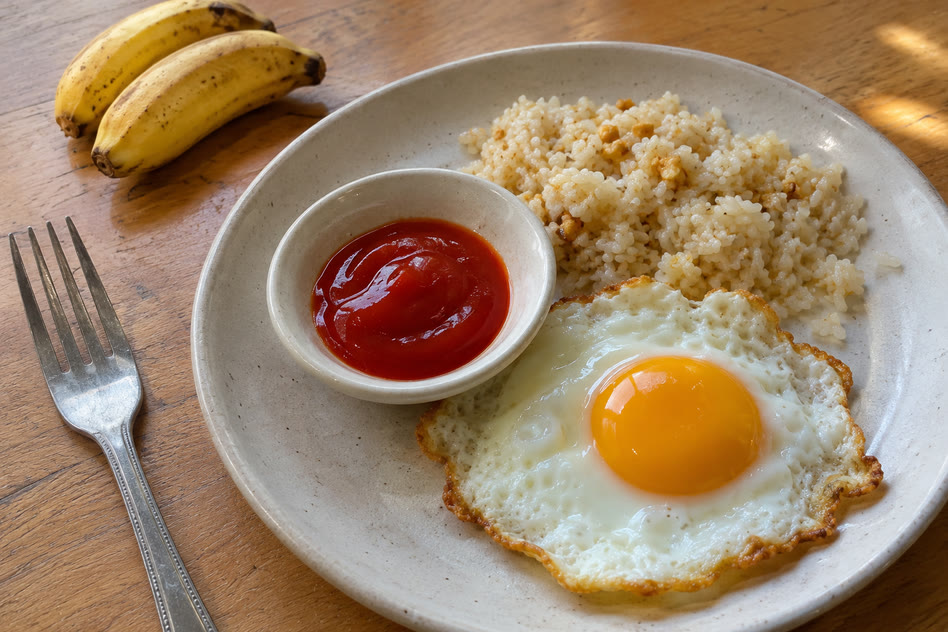
Saba bananas vs. regular bananas: Which should you cook with?
 Add as Preferred Source
Follow Forbidden Sauce
 Mastodon / Fediverse
 Threads
Turn on fediverse sharing, then search for the handle listed on our Fediverse profile.
 NetNewsWire
Paste the RSS link into New Web Feed.
 Feedly
Paste the RSS link into Discover.
Paste it into search on your Mastodon server.
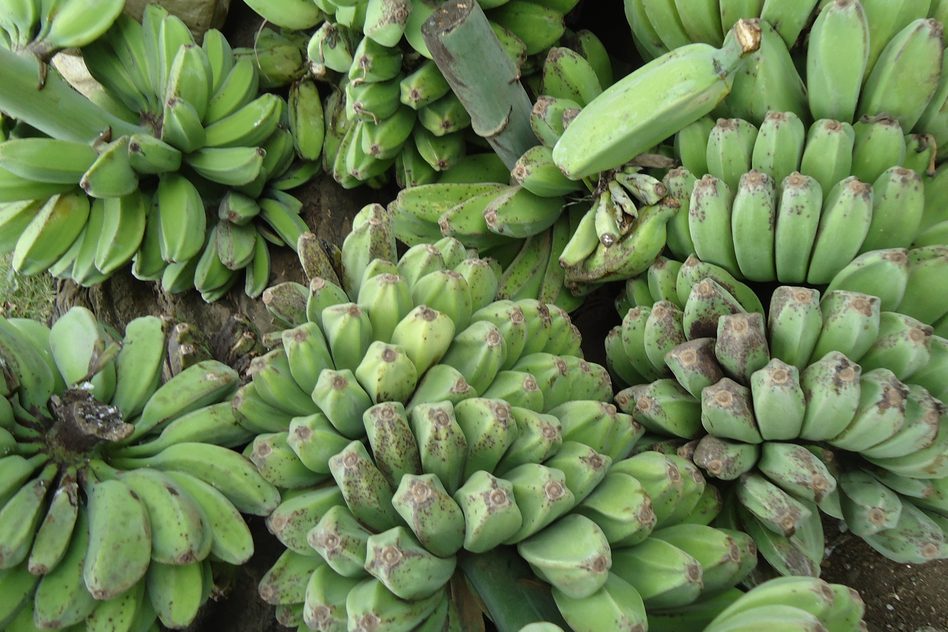
Green Saba bananas in the Philippines.
Pick the right banana for turon, banana cue or a snack. Here’s where Saba, Cavendish and plantains fit.
For turon or banana cue, look for Saba. For a sweet banana to peel and eat, grab a ripe Cavendish. That’s the long, curved banana you’ll often see at the store. Saba is short and thick, with firmer flesh. That makes it a good pick when you want slices that hold up as you cook.
What is a Saba banana?
Saba is a cooking banana grown in the Philippines. Look for a short, thick fruit with ridges along the peel. The University of Guam’s Saba guide describes its angular shape and starchy flesh. Those ridges show up on the green Saba in the photo above. But color won’t tell you which kind of banana you have.
The Philippine Department of Agriculture’s banana guide lists Saba as a common choice for fried snacks. Ripe Saba can be sweet enough to eat raw, too. You’ll also see it boiled or steamed. Think of it as a banana that gives you a few more choices at the stove.
Which banana should I buy?
- Turon: Buy Saba. This snack starts with a slice of banana that you wrap, then fry. Firm fruit is easier to pick up and tuck into that thin wrapper.
- Banana cue: Look for Saba here, too. The banana goes into the pan without a wrapper. Brown sugar coats the outside, so you get a sweet shell with a soft center.
- Soup or stew: If the recipe calls for Saba, shop for it by name. Follow the recipe’s cue for how ripe it should be. The fruit might soften faster or slower if you swap it.
- A snack, or a dish that calls for mashed banana: A ripe Cavendish works well. It peels easily and has soft, sweet flesh. If you want to try another fresh-eating banana, look for Lakatan or Latundan at a Filipino market.
Is Saba the same as plantain?
Saba is a type of cooking banana, but a bin that says “plantains” may hold a different kind. A field study from the Philippines groups Cardaba and Dippig with Saba and notes that cooks use both in snacks such as turon and banana cue. If you’re not sure what the shop has, ask for Saba by name and tell them what you’re making.
Can I use a regular banana instead?
If you plan to mash or blend it, you have more room to make a swap. For a snack where you want a neat slice to stay intact, start with Saba. A ripe Cavendish can give you a softer bite, even if the outside of the roll gets crisp.
Saba can end up in a bottle, too. Plant Resources of South-East Asia notes its use in Filipino banana ketchup. If you haven’t tried it, here’s what banana ketchup tastes like and what to eat it with.

Kevin Meehan
Chef, CEO & Co-founder, Forbidden Sauce
Kevin Meehan is a Michelin-trained chef and co-founder of Forbidden Sauce. He founded Charlotte food truck Hottagrill, where a Filipino BBQ sauce inspired by his wife’s family recipe became the starting point for the brand. He brings his culinary background and love of international flavors to recipes for home cooks.
LinkedInComments
No approved comments yet.
Leave a comment
Follow Forbidden Sauce
Add as Preferred SourceFeed readers and social
- Threads
Turn on fediverse sharing, then search for the handle listed on our Fediverse profile.
- NetNewsWire
Paste the RSS link into New Web Feed.
- Feedly
Paste the RSS link into Discover.
Paste it into search on your Mastodon server.